
| Well Dems Travel Agency
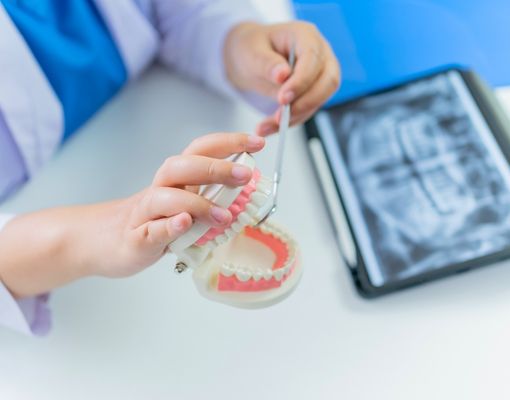
Bruxism (Teeth Grinding and Clenching) Treatment | Jaw Joint Disease
Teeth grinding and clenching (bruxism) can be easily controlled with night guards (splints) and Botox treatments.
What is Teeth Grinding or Clenching?
Teeth grinding or clenching, known as bruxism, is a condition that occurs unconsciously during sleep or without the patient's awareness during the day. If left untreated, it can lead to serious health issues. This condition can cause gum recession, tooth fractures, tooth loss, jaw joint disorders, and headaches. Daytime stress can cause unconscious grinding and clenching of the teeth during sleep. In some cases, no pain may be felt in the jaw joint for many years, but symptoms such as headaches, pain in the temples, and a clicking sound in the jaw joint may occur. If left untreated, the condition can progress and worsen over time.
What Problems Does Teeth Grinding or Clenching Cause?
- Tooth wear and fractures
- Gum recession, leading to hot-cold sensitivity
- Clicking sound from the jaw joint
- Difficulty and limitation in opening and closing the mouth
- Jaw locking while yawning
- Difficulty in opening the jaw in the morning or jaw locking
- Pain in the jaw joint
- Headaches and pain in the temples
What is the Treatment for Teeth Grinding or Clenching?
A jaw joint prosthesis specialist will take impressions of your teeth to create custom hard splints (night guards). Your dentist will monitor your treatment process through weekly and monthly check-ups. Masseter Botox treatment can also help prevent bruxism (teeth grinding and clenching).
What is Jaw Joint Disorder?
Jaw joint disorders involve issues in the hard and soft tissues and the jaw joint disc. Symptoms may include clicking sounds from the jaw joint, locking, pain, and limited mouth opening. If untreated, jaw joint disease can worsen over time. One of the main causes of this disorder is teeth grinding and clenching, also known as bruxism. Early treatment results in better outcomes.
Who Should I Consult for Jaw Joint Disorder and Teeth Grinding Treatment?
You should consult a jaw joint prosthesis specialist for the treatment of jaw joint disorders and teeth grinding (bruxism). In advanced cases, consultation with a maxillofacial surgeon may be necessary. With accurate diagnosis and treatment, you can overcome this condition. It is important not to skip your treatment and follow-up appointments and to continue patiently.
What Should I Pay Attention to with Jaw Joint Disorders?
- Eating soft foods
- Chewing food in smaller bites rather than large ones
- Avoiding excessive yawning
- Avoiding sleeping on your face
- Avoiding chewing gum
- Staying away from stress
- Supporting your jaw while yawning
How Long Should I Use a Night Guard for Teeth Grinding and Clenching Treatment?
The night guard provided by your dentist is a clear, custom-made intraoral splint. The average treatment period for teeth grinding and clenching (bruxism) is 6 months, but this can vary depending on the severity of the condition. The splint helps relax the muscles and regulates the jaw joint's closure, minimizing functional disorders and preventing the damage caused by teeth grinding and clenching.
How Often Should I Have Follow-up Appointments with a Night Guard for Teeth Grinding and Clenching Treatment?
You should have your first follow-up appointment one week after receiving the night guard and then continue with monthly check-ups. Your treatment will last at least three months.
What Causes Jaw Joint Disorders?
Several factors can lead to jaw joint disorders, including:
- Teeth grinding and clenching (bruxism)
- Chewing on one side only
- Stress
- Missing teeth
- Trauma to the jaw area
- Neurological and psychiatric issues
- Habits like chewing gum, biting nails, or chewing on pens
What Are the Treatments for Teeth Grinding and Clenching (Bruxism)?
A detailed examination of the teeth, chewing muscles, and jaw joint will be conducted by a specialist dentist. While a complete cure may not always be possible, the dentist's goal is to restore normal, pain-free jaw joint function to the patient. Treatments such as splints (night guards), Botox, exercises, painkillers, and muscle relaxants are used to achieve this. The treatment method is determined based on the severity of teeth grinding and clenching.
At Well Dems Travel Agency, we offer the best service for your dental health with our expert team. Contact us for a healthy and pain-free life.